
Blog

Hospitality needs 10% VAT. Here’s the case, including the hard part
The case for cutting UK hospitality VAT from 20% to 10%: the margins, the closures, the £11bn objection and how to answer it before the Budget on 28 October.
How much charcoal does a Josper use? The weekly maths for a UK kitchen
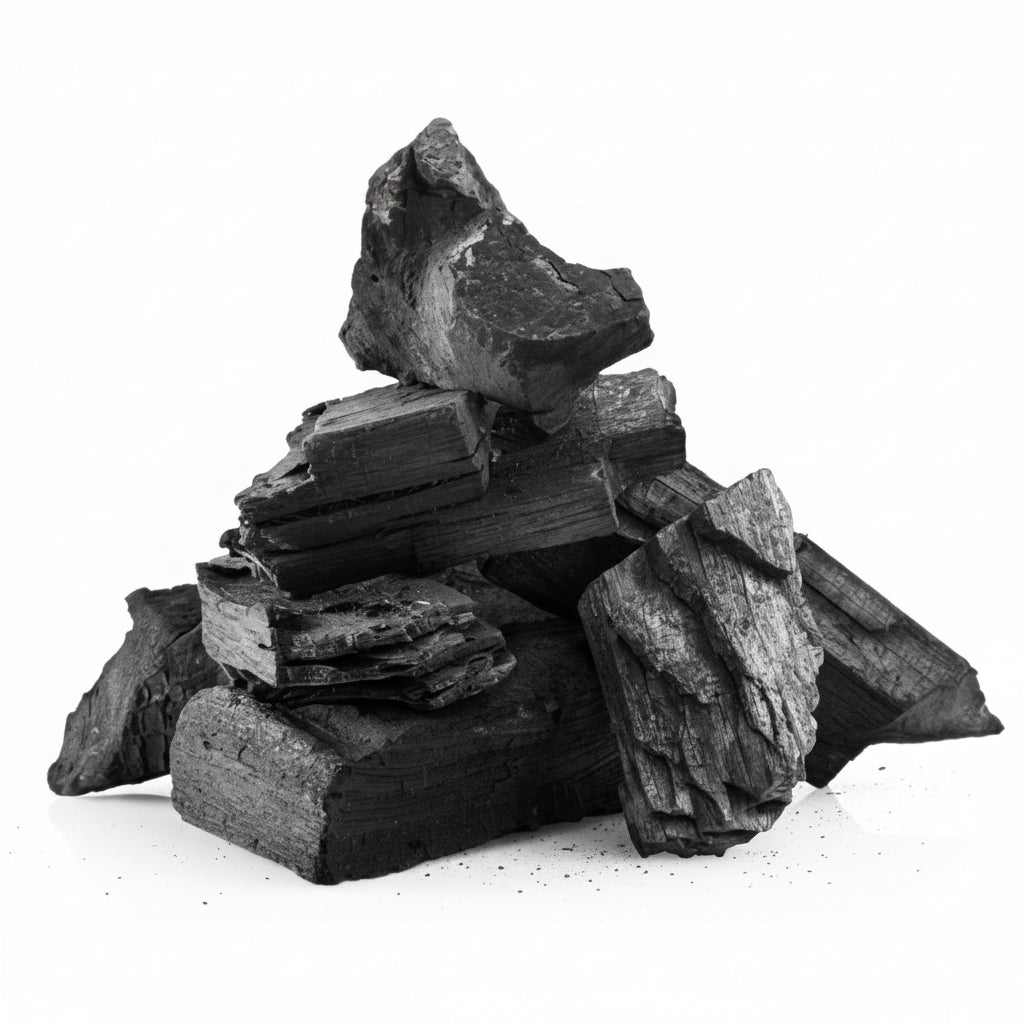
Josper's own figures put daily charcoal use at 6–8kg for the HJX-20, 10–12kg for the HJX-25 and 16–20kg for the HJX-50. Over a six-day week, an HJX-25 burns 60–72kg, which is four to five 15kg bags of holm oak lumpwood. At our public retail price that's about £136–£163 a week, or roughly 28–34p per diner at the oven's recommended capacity. Trade prices bring that down.
Hexagonal briquettes in a restaurant grill: the operational case
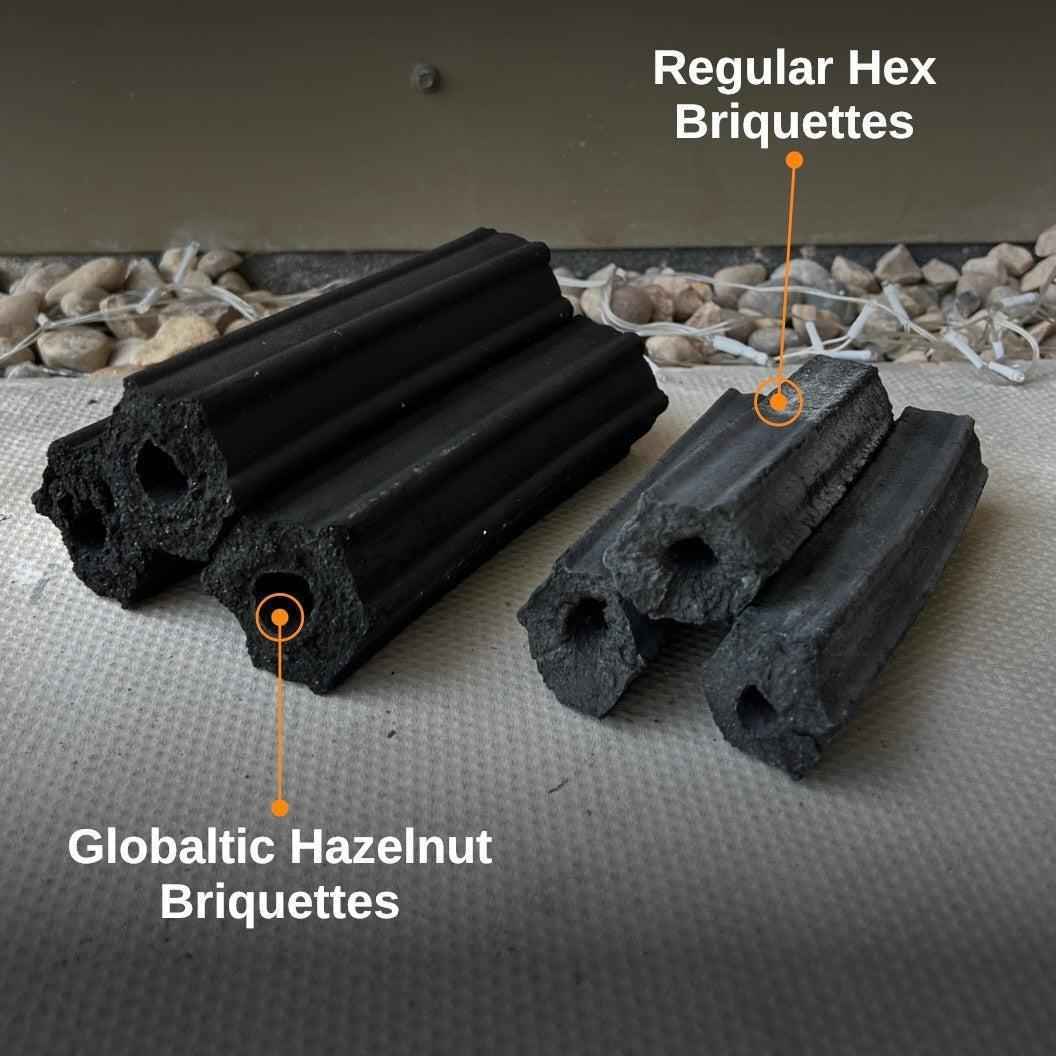
Lumpwood gives you fast heat and flavour, but in a long service it burns down quickly and needs topping up. Dense hexagonal briquettes hold steady heat for hours. Kitchens that light the two together get the best of both: the briquettes carry the service and the lumpwood adds heat and flavour on top. On our own fuels, a 10kg bag of HazelHex cooks around 60 restaurant steaks against around 40 for a bag of lumpwood.

How to become a Globaltic charcoal stockist: pallet tiers, prices, margins and lead times
Pallet tiers, indicative trade prices, retail margins, lead times and how to open a Globaltic trade account.
How much charcoal does a restaurant burn per cover? A working UK calculator
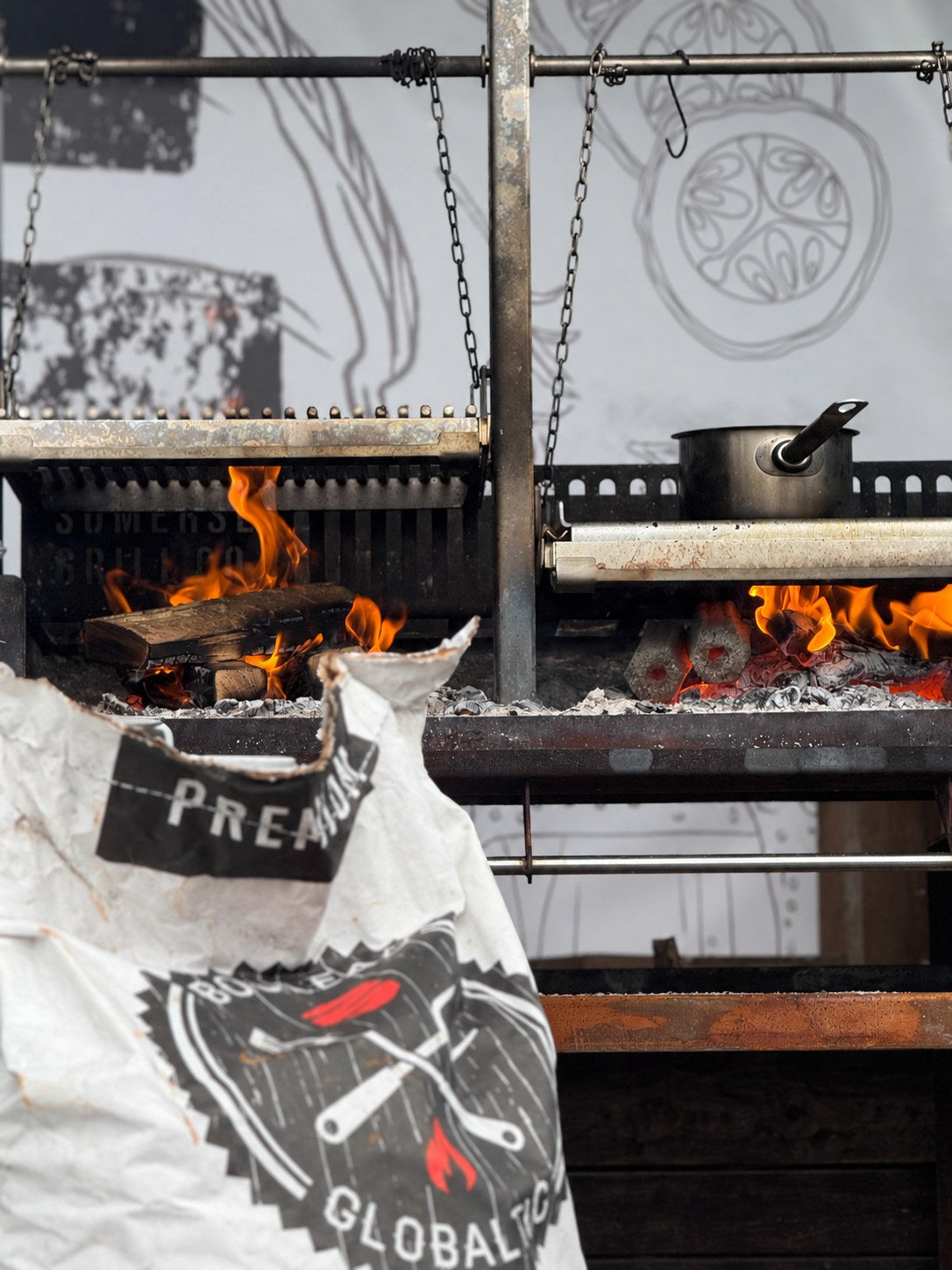
A working UK method for restaurant charcoal: portions per bag, weekly bags, cost per steak at trade prices, and how to size a pallet.
Best charcoal for your Kamado Joe (UK, 2026 edition)
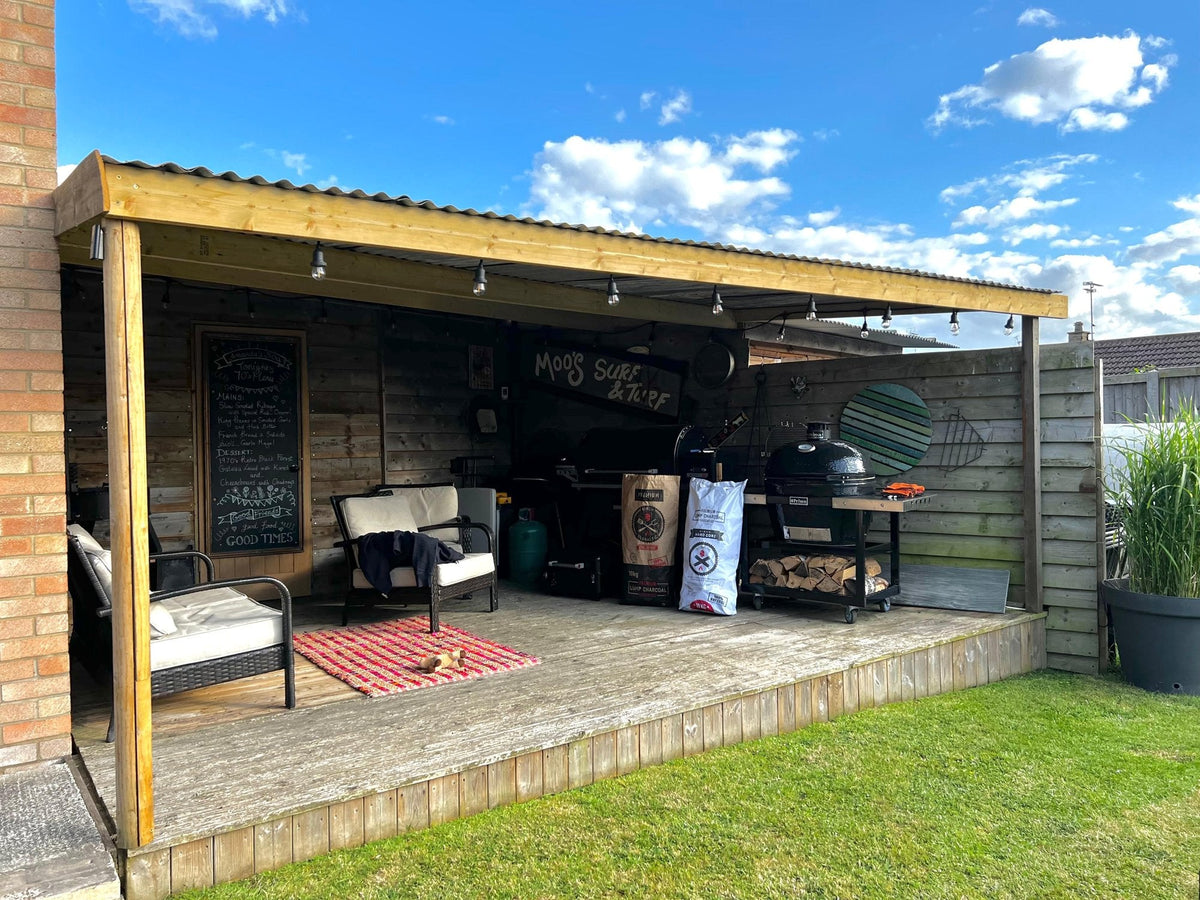
Which charcoal suits a Kamado Joe: lumpwood by cook, how much to load, how to light it cleanly, and where briquettes fit.
What charcoal do top UK restaurants actually use?
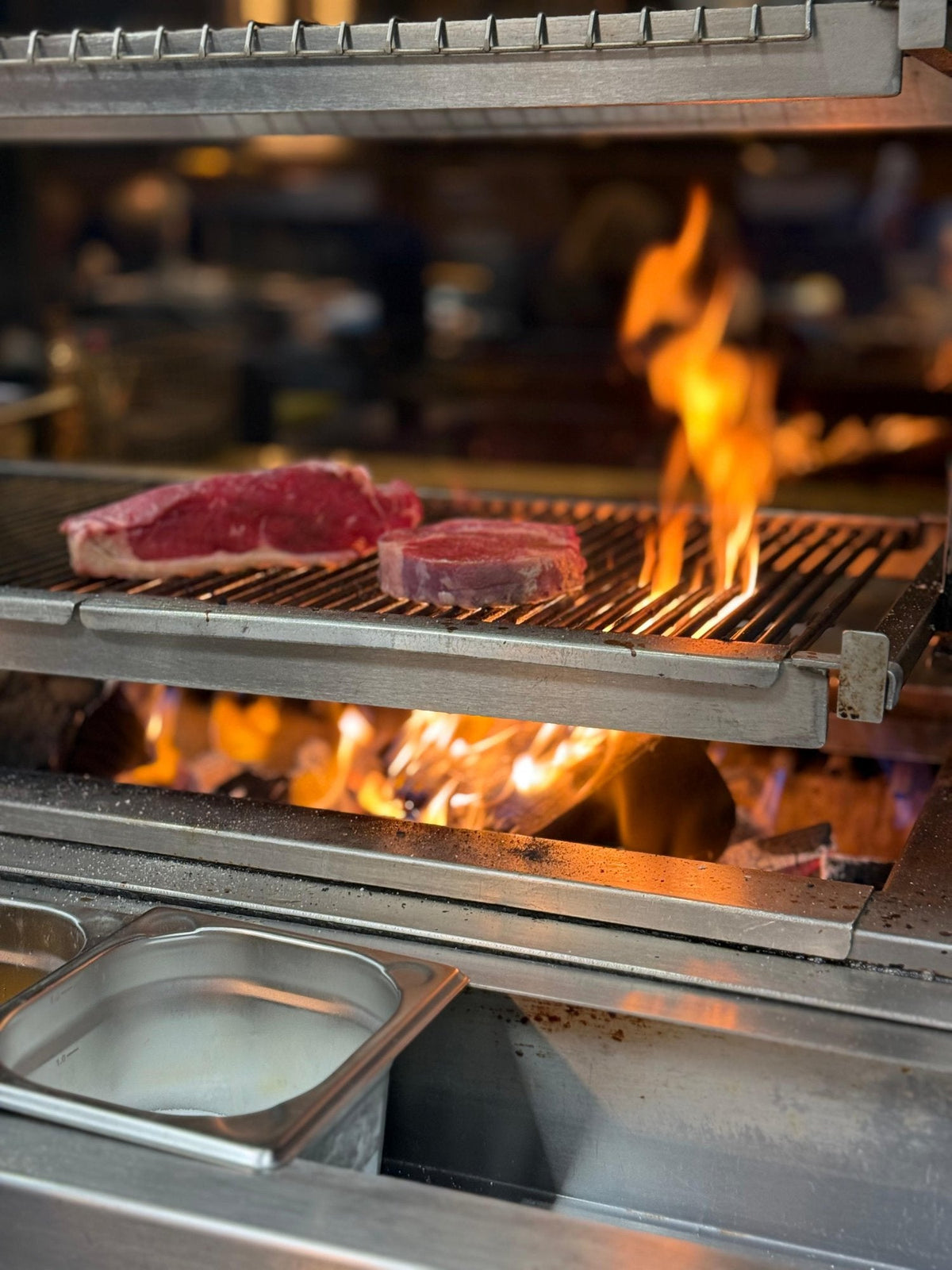
There's no secret brand. Here's the fuel system the UK's Michelin-starred and live-fire kitchens actually run, and the kitchens we supply.
What "restaurant grade" charcoal actually means (and how to check a claim)
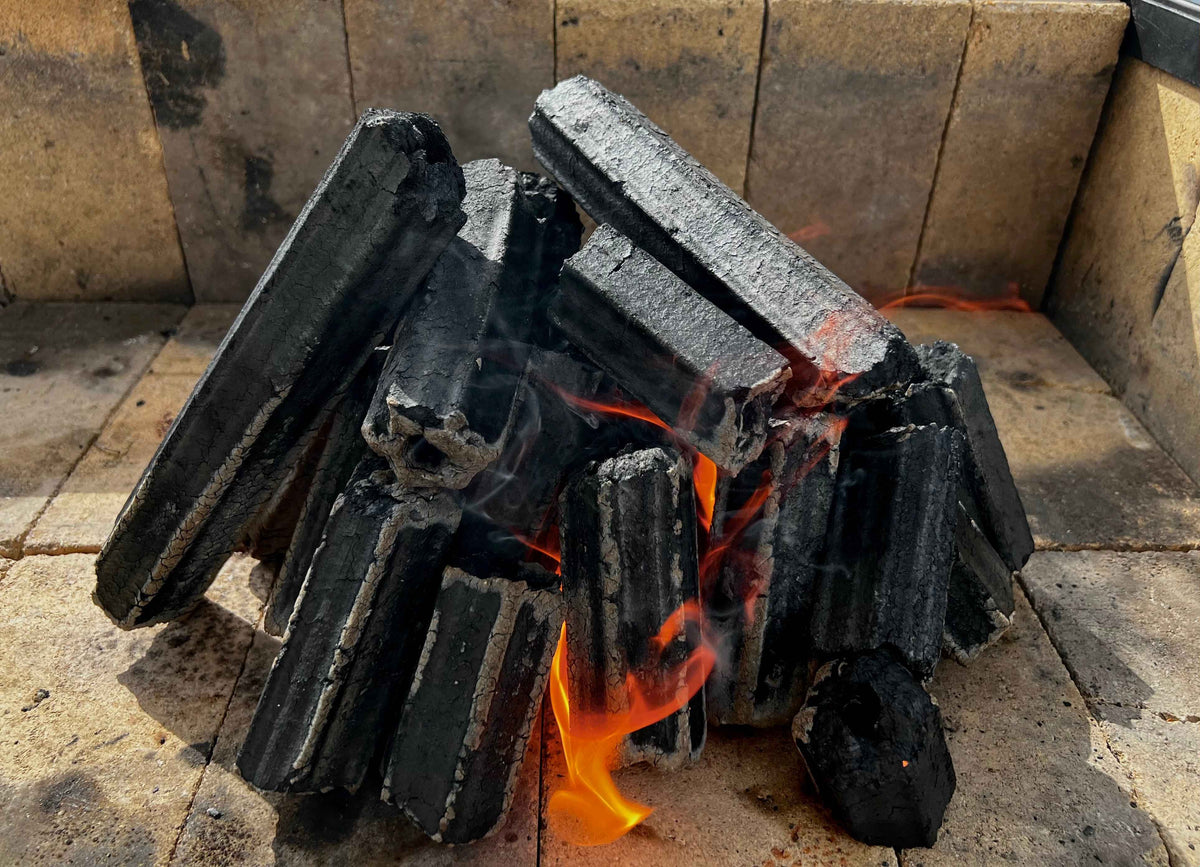
"Restaurant grade" has no legal definition in the UK. Here are the five measurable checks that separate real kitchen fuel from a label: fixed carbon, moisture, ash, fines and burn data with the conditions stated.
