
You ask where your meat was raised, how your vegetables were grown and what goes into your sauces. Charcoal sourcing deserves the same attention.
At Globaltic, we think about fuel as part of the cooking process, not simply another bag in the storeroom. It needs to perform on the grill, and you should be able to ask straightforward questions about the material inside it.
Where did it come from? What is it made from? How was it produced, and what supports the claims made about it?
Those questions belong alongside heat, burn time and consistency. Here is how we approach them, what we want buyers to understand and where we are working to improve.

Our charcoal sourcing starts with origin
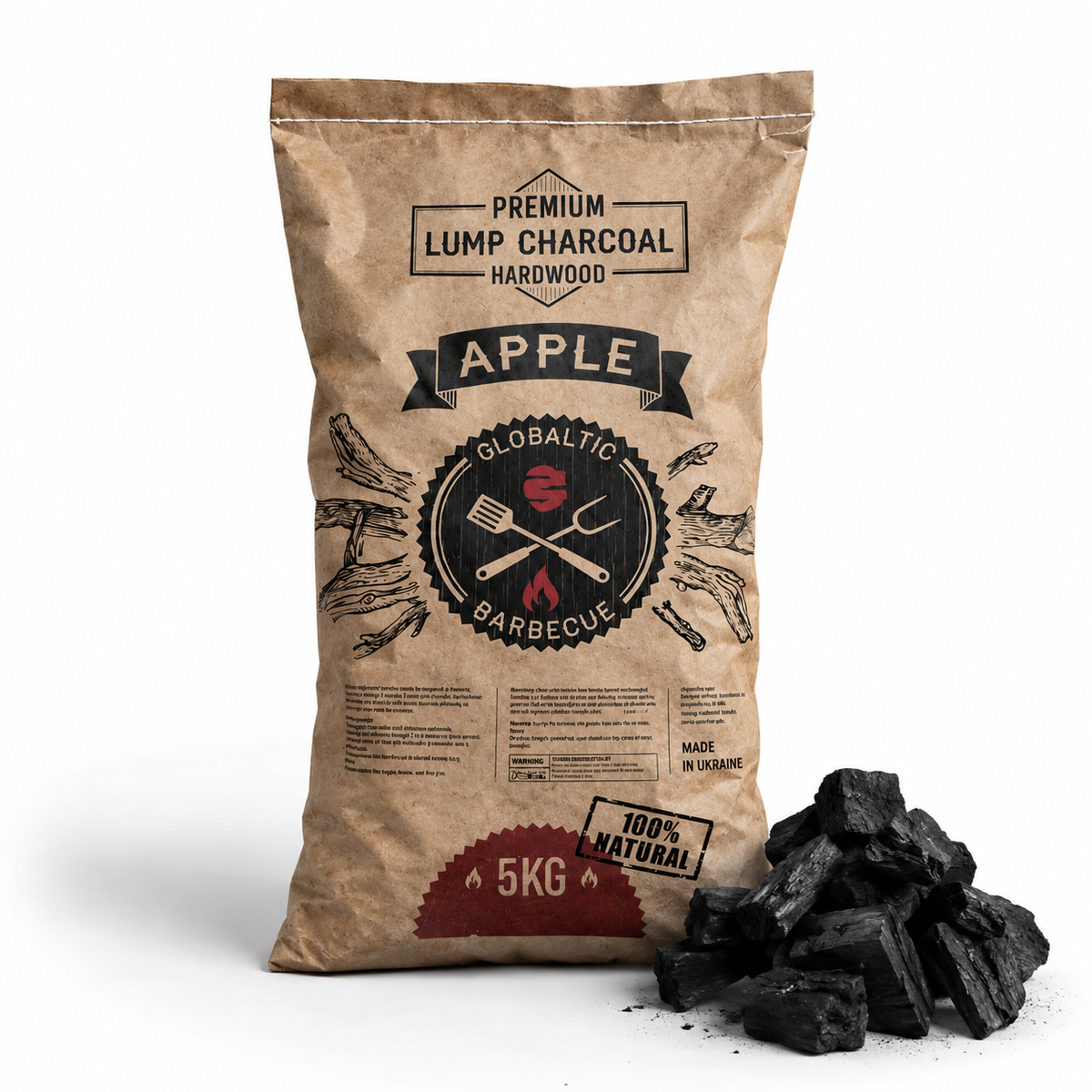
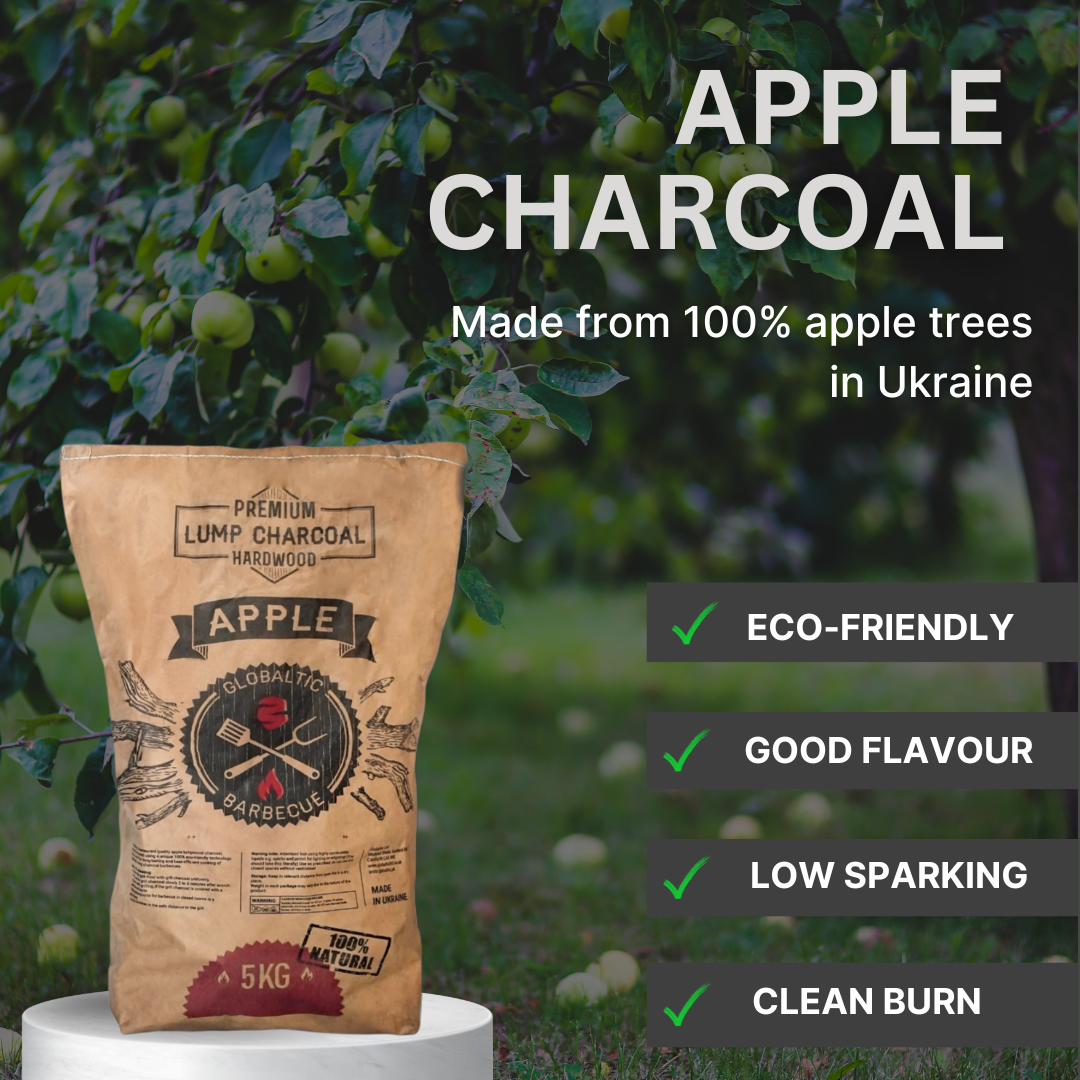
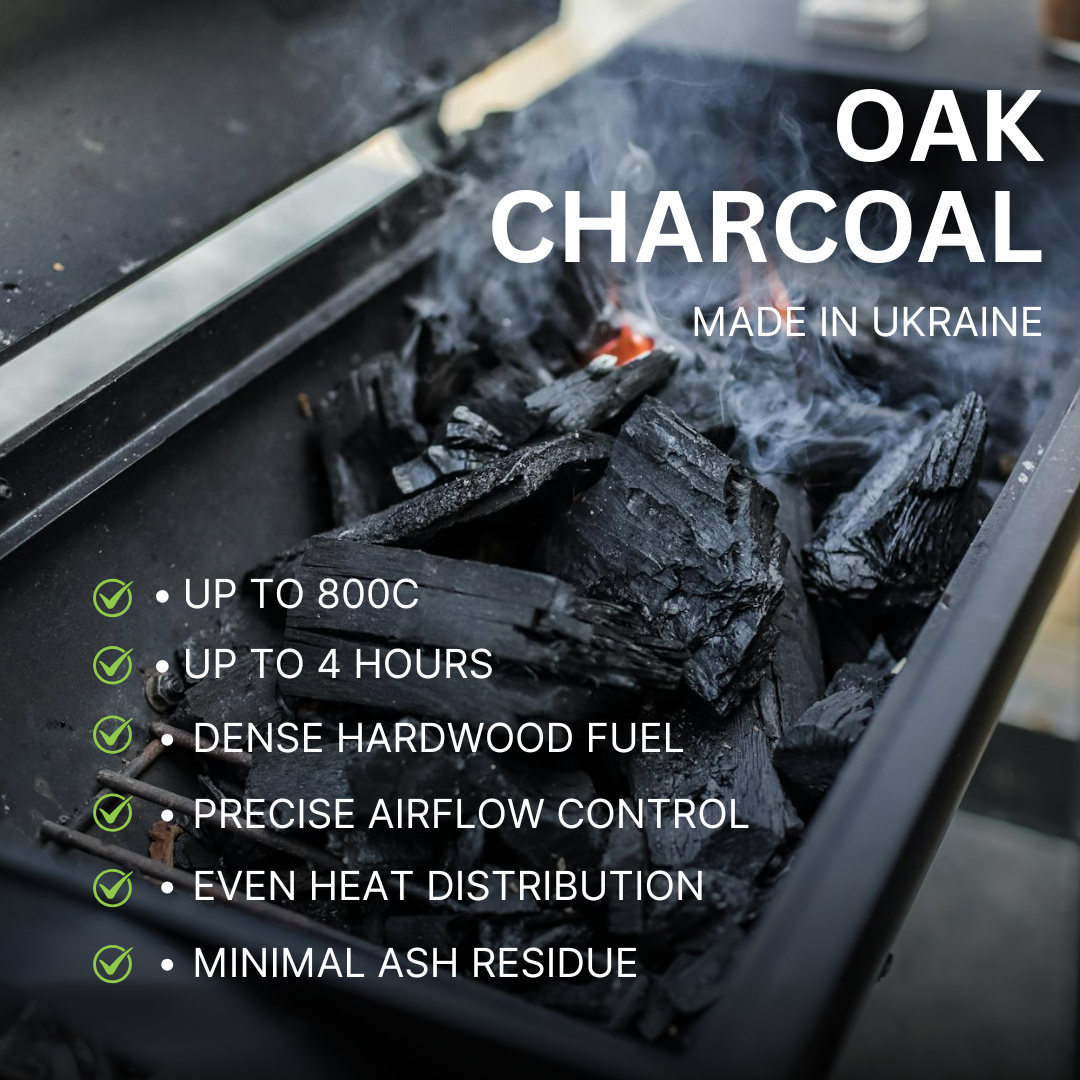
Our main fuel supply comes from Ukraine and Spain. Across the range, the materials and production methods differ, so the useful detail is the origin of the fuel you actually choose.
We want sourcing conversations to be specific enough to be useful without making customers work through a technical dossier before buying a bag. Start with the fuel you are considering: where its raw material comes from, where it is made and who produces it.
Those are different questions from where the product is packed or dispatched. When comparing suppliers, ask about each stage rather than relying on the location of the business selling it.
For us, naming a country is a starting point, not the whole sustainability story. The next questions concern the material, the producer and the practices behind that particular supply. We would rather discuss those details than suggest that geography alone settles the matter.

Natural materials, clearly explained
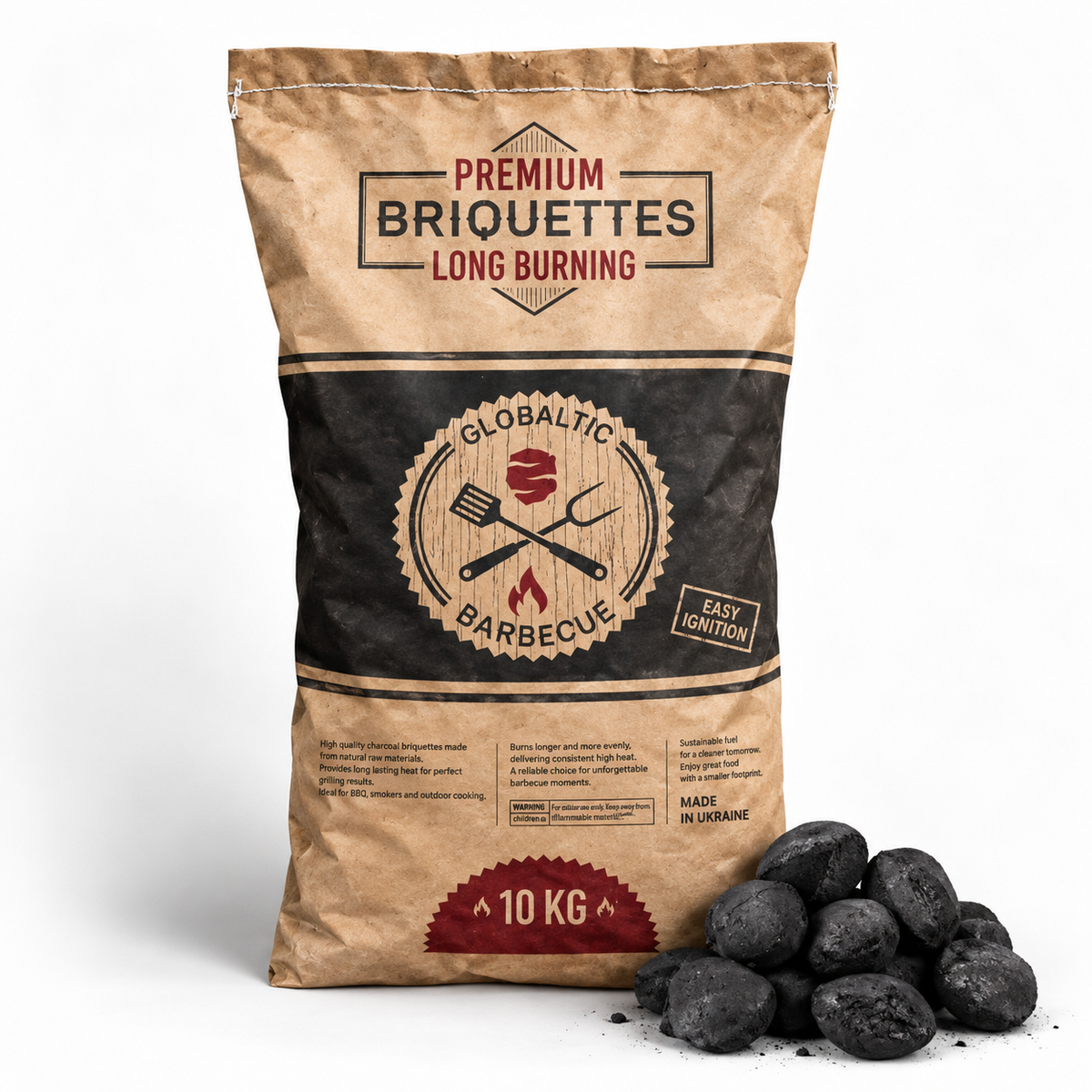
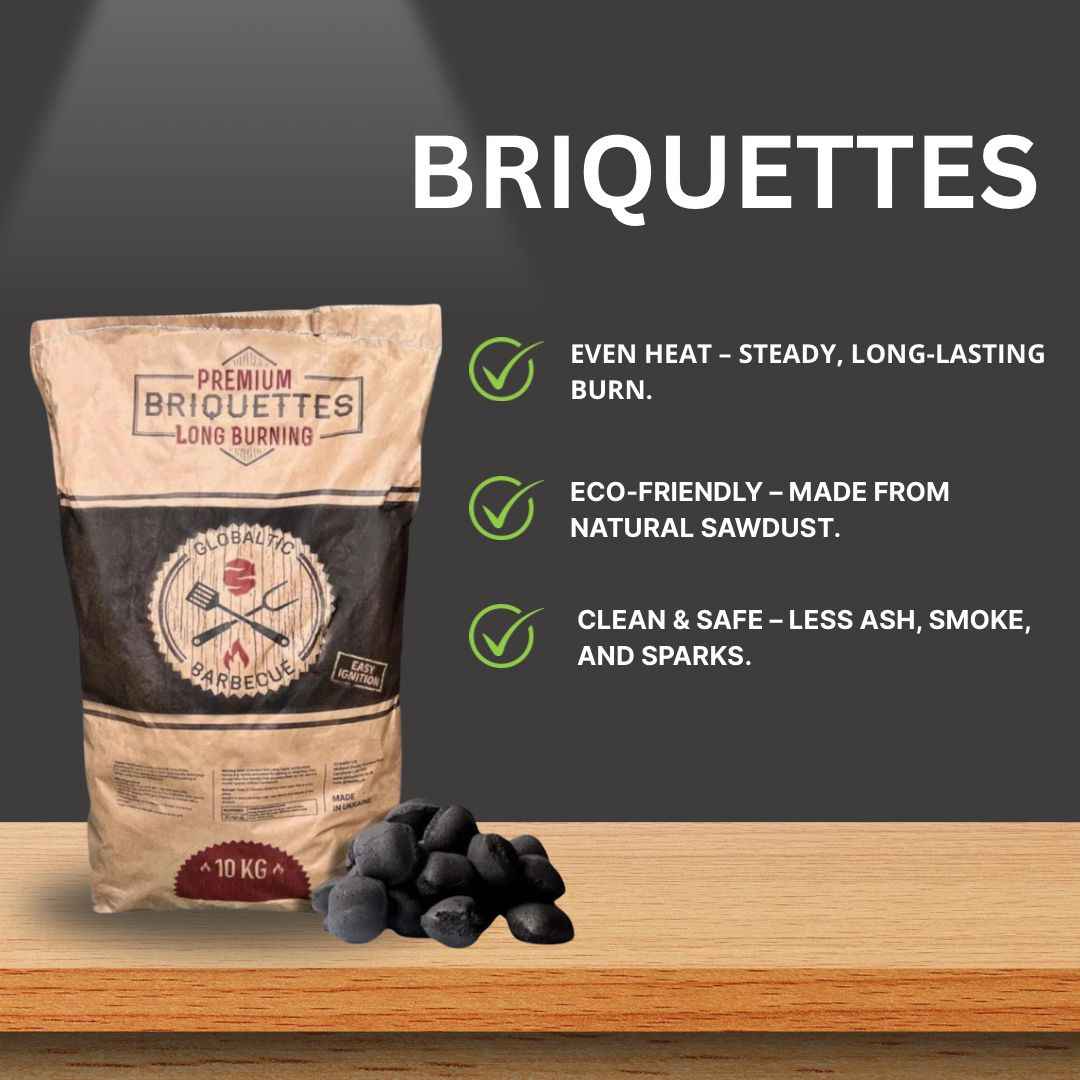
Our charcoal and briquettes are made from natural raw materials, without chemical treatments, artificial additives or added accelerants. Where binders are used, they are natural.
That is our starting point, but “natural” should not be the end of the explanation. For lumpwood, ask about the wood species. For briquettes, ask about the raw material and any binder used to hold the product together.
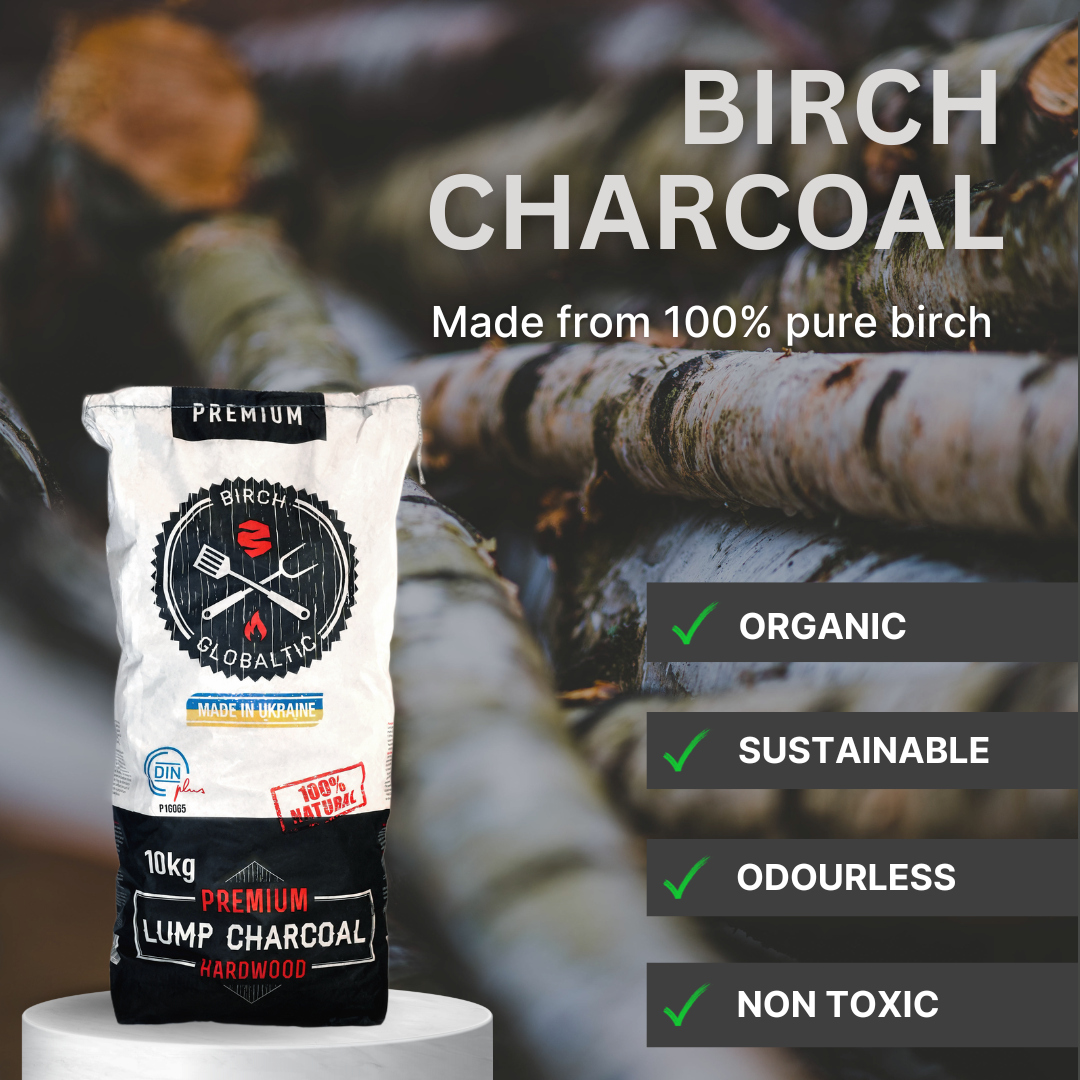
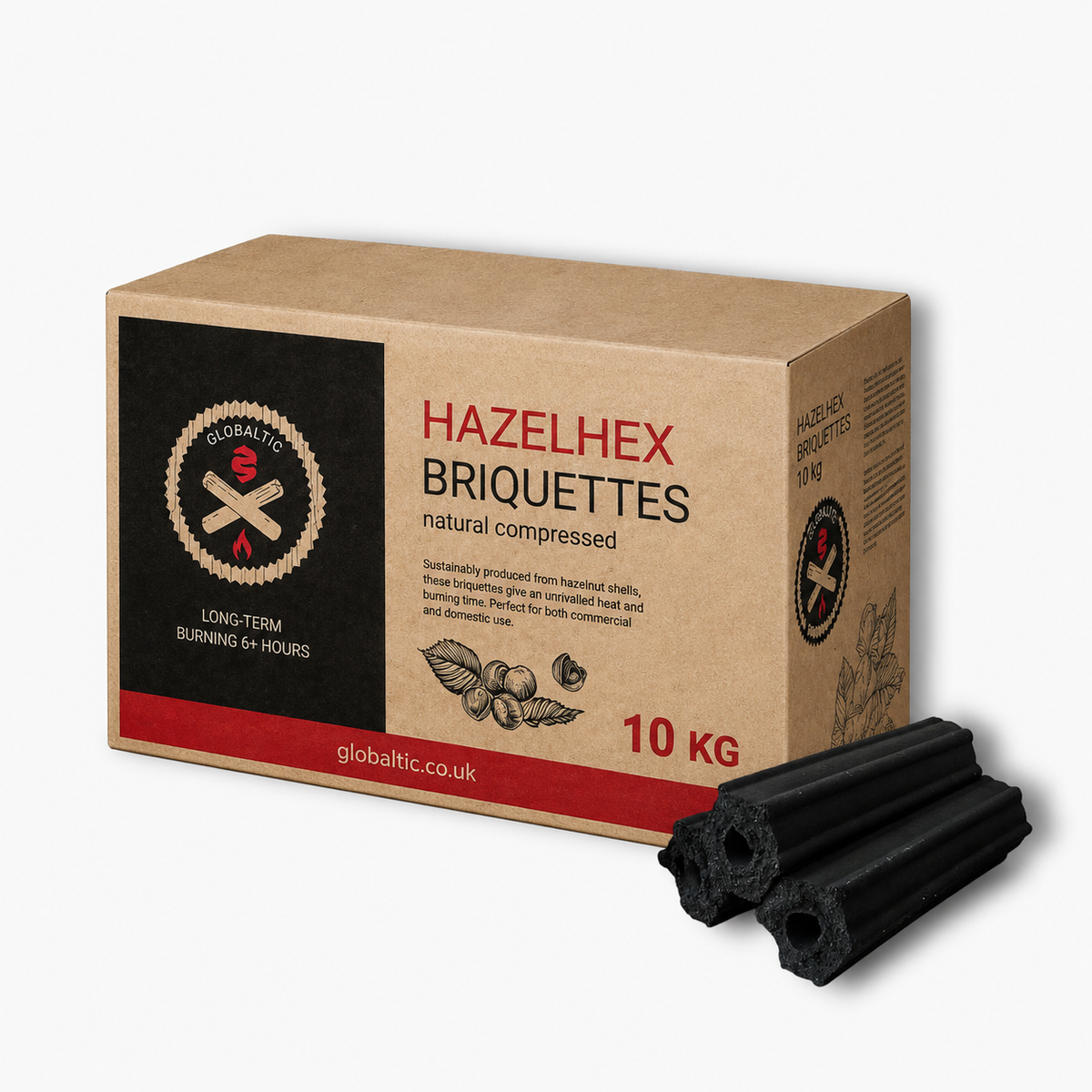
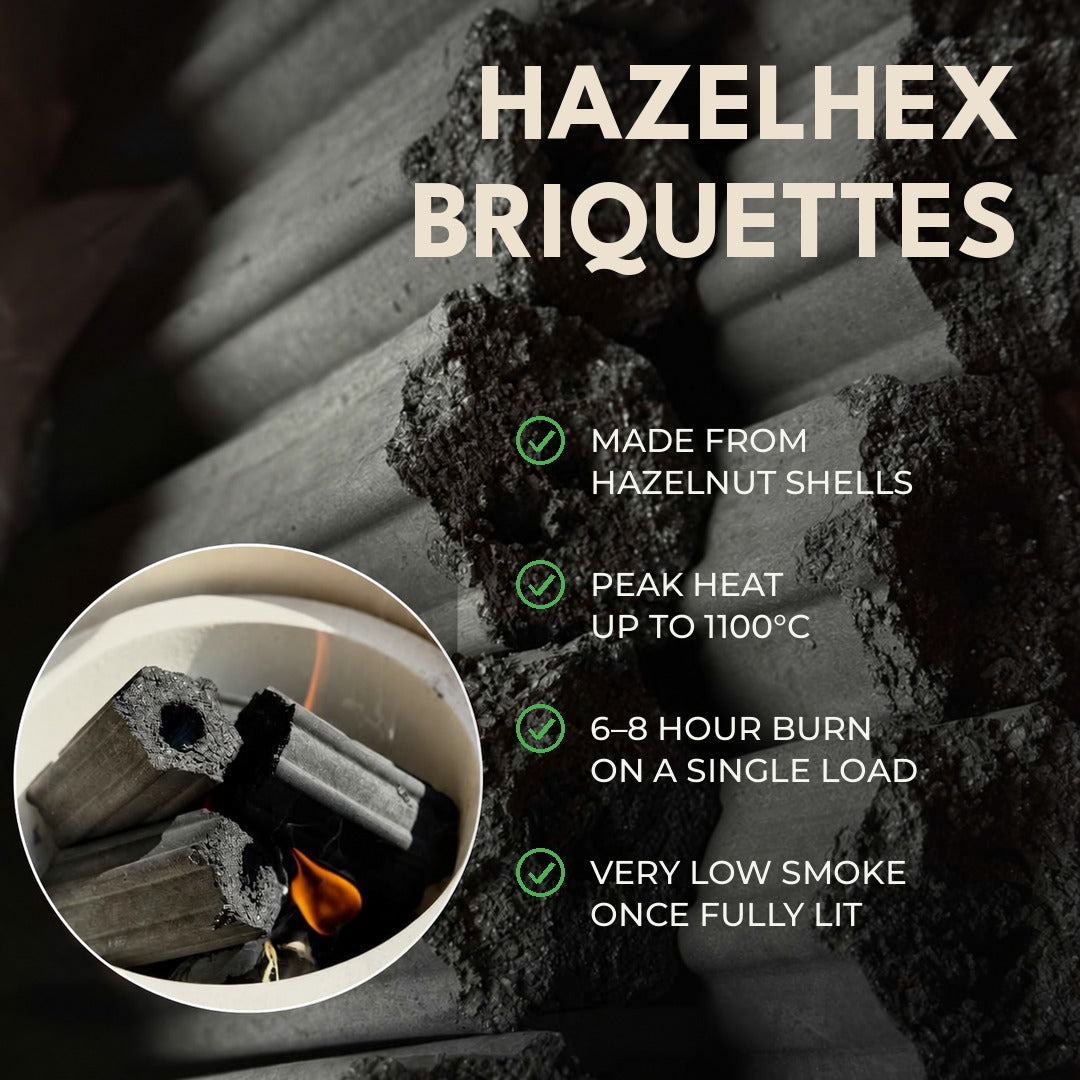
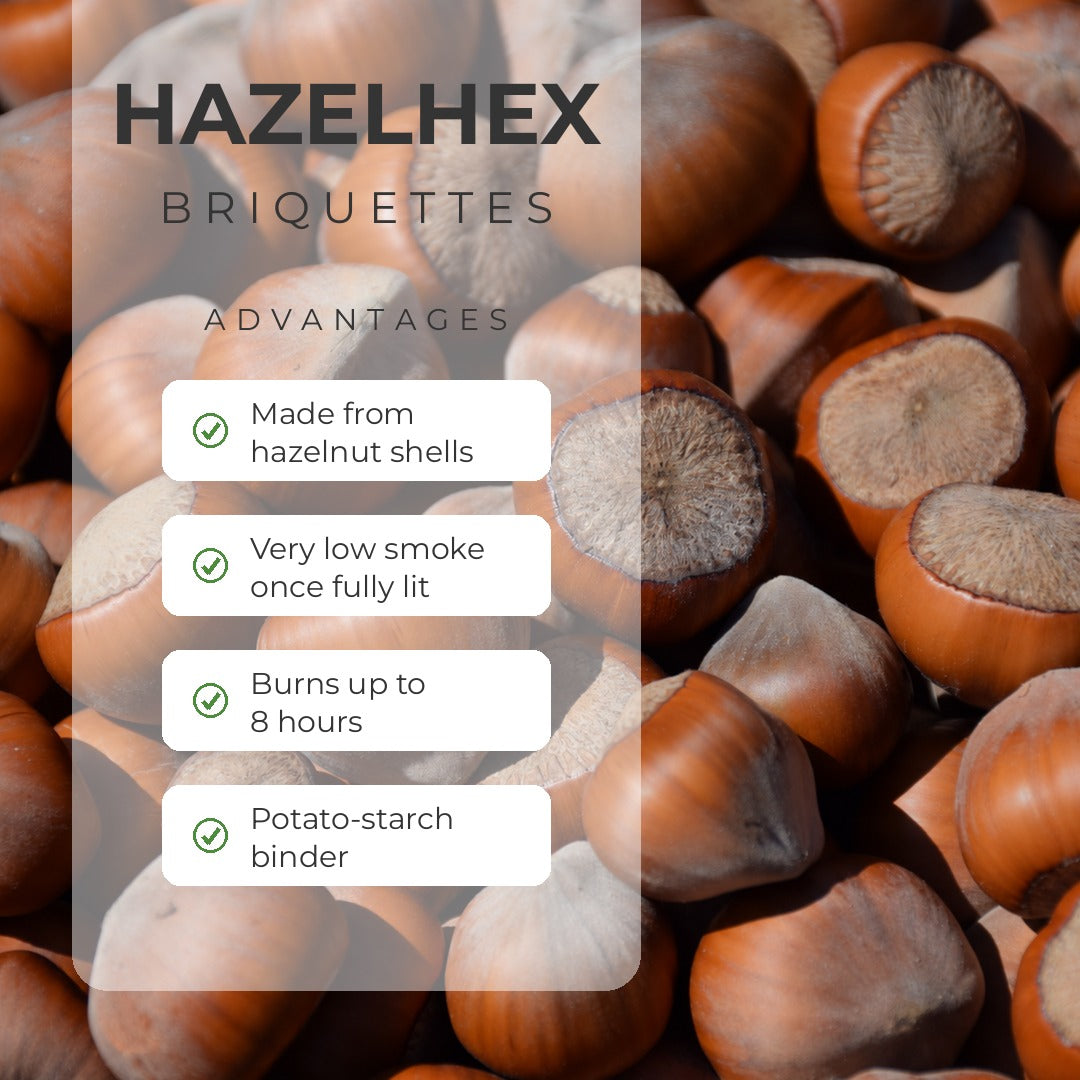
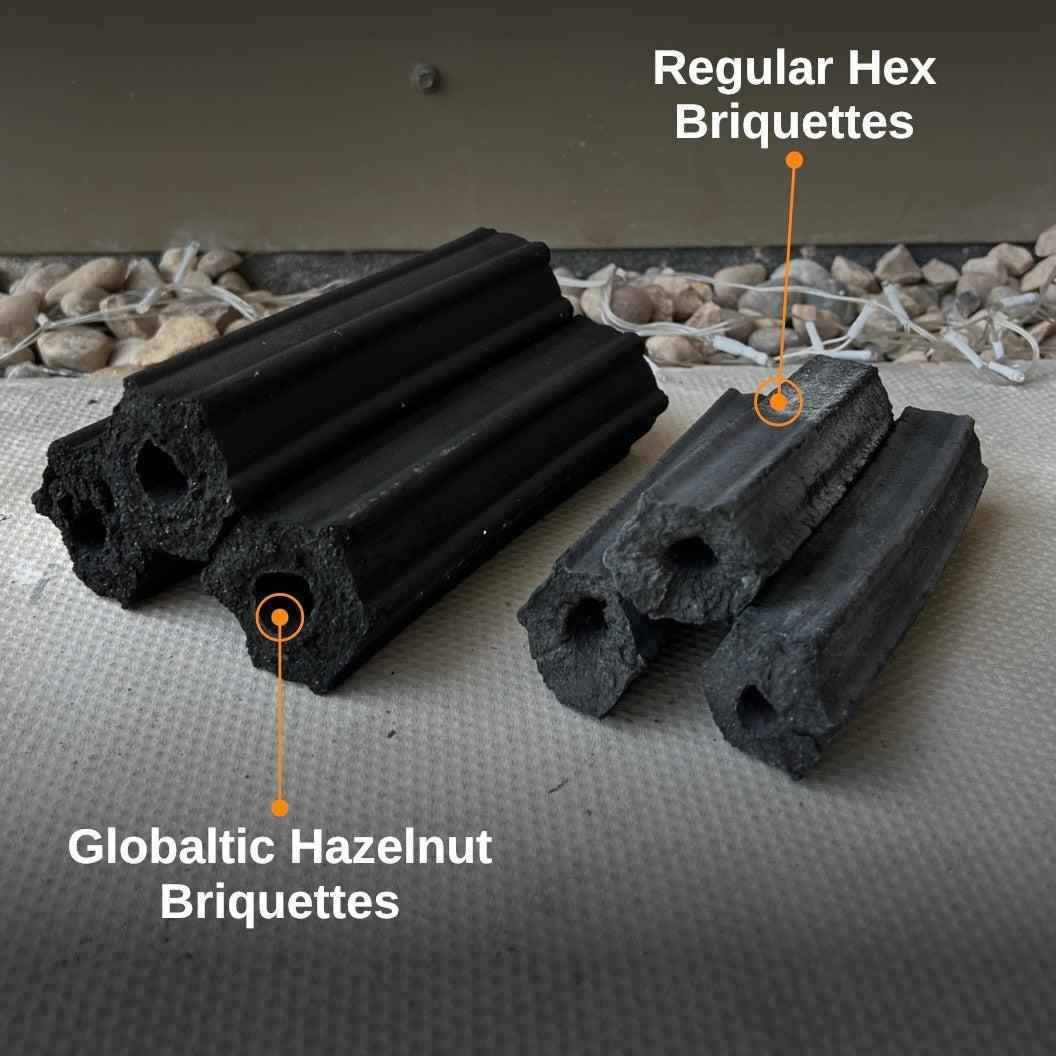
We also use different types of raw material across our range. For example, our HazelHex briquettes use recycled hazelnut shells. This gives us another way to approach fuel beyond conventional wood-based products, while keeping the material itself central to the explanation.
The same discipline should apply to any sourcing claim: explain what is in the product, then explain where it came from. A clear ingredient description and a clear sourcing explanation answer different questions; we believe customers should have both.

Making use of timber-processing by-products
Part of our range uses by-products from timber processing. In this part of our supply chain, material left over from making other wood products becomes a raw material for fuel.
This is an important part of our approach: looking at materials with a useful role in fuel production rather than considering only timber grown or cut specifically for charcoal. It is not the production model for every product in our range, and it does not remove the need to understand where the original material came from.

Production is another part of that conversation. Alongside the raw material, ask how a producer handles smaller material and production residues, whether heat is recovered and which operations use those processes.
For buyers, the useful distinction is between a description of the raw material and a description of the production process. Ask about both. A timber-processing by-product, for example, tells you something about the feedstock but does not by itself explain the kiln, its energy use or its emissions.
Traceability should have a clear meaning
We want customers to ask what can be traced, not simply whether the word “traceable” appears on a website. Ask whether the information identifies the supplier, the producer or the source of the raw material, and which records connect those stages.
For a restaurant or retail buyer, we recommend making this part of the purchasing conversation. Ask what information is available for the product you intend to buy and whether it relates to the current supply.
For a home cook, the conversation can be simpler. You should still feel comfortable asking where your fuel comes from and what the supplier can tell you about it.
These are questions for Globaltic too. Tell us which fuel you are considering and what you need to understand. We want the discussion to concern that product, rather than a general assurance that leaves the important questions unanswered.

Certification: our position and our next step
We work with FSC-certified suppliers within our supply chain. Globaltic does not yet hold its own FSC chain-of-custody certification, and achieving this is one of our main goals for 2027.
That distinction matters. FSC describes chain-of-custody certification as verifying that eligible material is identified and kept separate from ineligible material as it moves through the supply chain. When assessing a certification statement, ask which business, material or product it covers.
Our 2027 goal is to take that next step for Globaltic itself. Until then, we distinguish the certification held by suppliers from the certification we are aiming to obtain, so customers can understand our position today.
More broadly, the UK’s Green Claims Code calls for environmental claims to be clear, supported by evidence and explicit about whether they apply to a whole product or only part of it. That is a useful standard for buyers to apply to us and to any other supplier.


Packaging and tree planting are separate parts of the story
We support tree planting through Greenspark. We see that as a contribution alongside our sourcing work, not a substitute for explaining where our fuel comes from.
Packaging also varies by product, with paper and recycled-plastic formats used across the range. The material and disposal guidance should relate to the pack you receive, rather than a single description applied to every bag.
When assessing fuel, keep those questions separate: what is the fuel made from, how was it sourced, and what is the packaging made from? A clear answer about one should not be expected to answer all three.
The same goes for environmental initiatives. We prefer to explain the contribution itself rather than use it as a shortcut to a broader claim about the product.

Performance still has to earn its place
Sourcing matters, but the fuel still has a job to do. Our aim is to help you choose something that suits your grill and cooking style, with provenance part of that choice rather than a separate conversation.
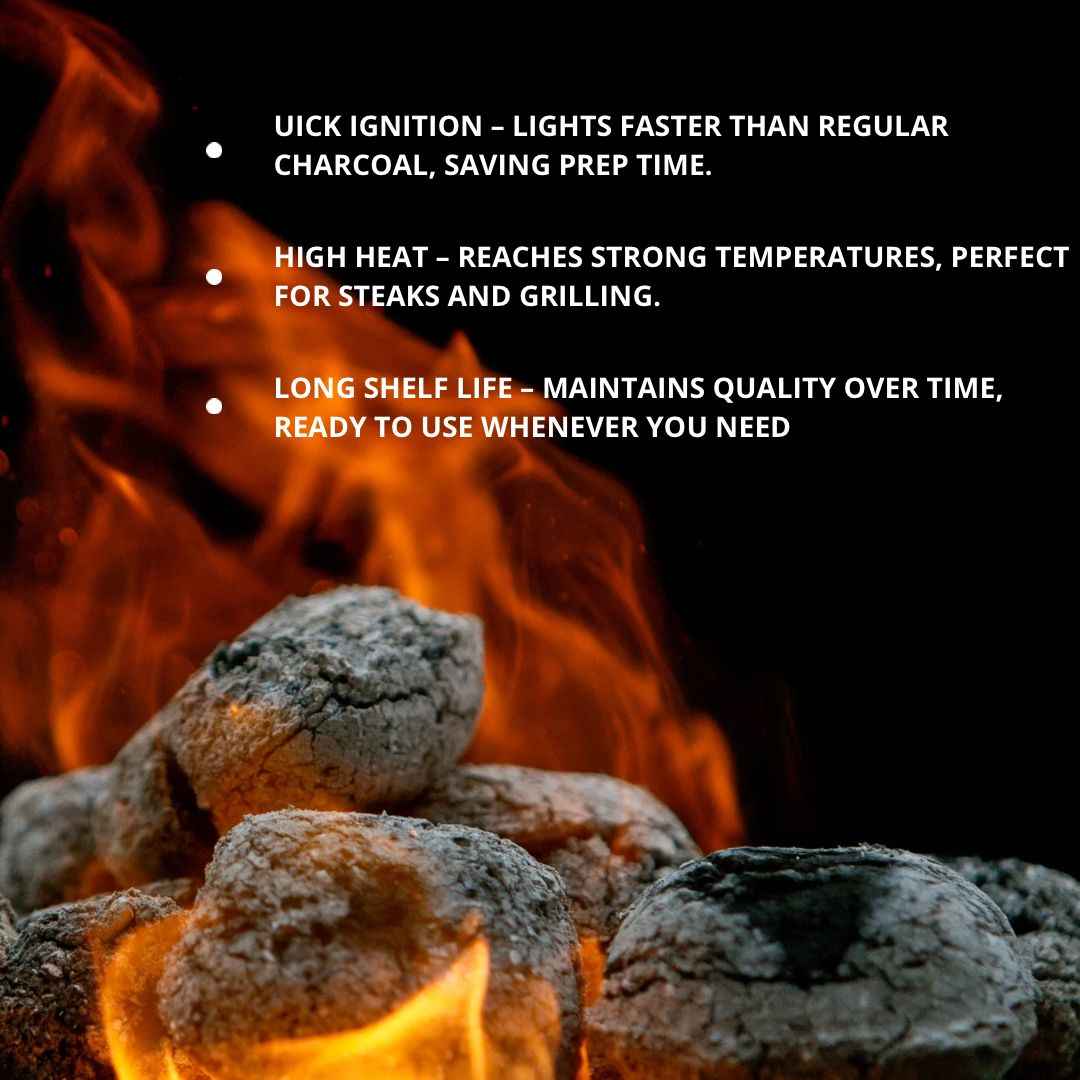
For a professional kitchen, we recommend assessing fuel across a service: lighting, heat control, refuelling, ash handling and the amount used. Put those observations alongside the sourcing information when deciding what works for your operation.
For a home cook, start with what you want to cook and the equipment you use. Then ask the same questions about origin and ingredients that you would ask when choosing food for the grill.
Good fuel should earn your confidence in use. A good supplier should also be willing to discuss what sits behind it.
Know what fuels your fire
We believe the standard should be straightforward: fuel that suits the cook, a clear account of its materials and origin, and claims that mean what they say. That is the conversation we want to have with our customers.
Talk to us about your fuel. Tell us which product you are considering, what you cook and which sourcing details matter to you, and we can talk through the options.
Share:
Sustainable Charcoal: What Restaurants Should Know
What "restaurant grade" charcoal actually means (and how to check a claim)